
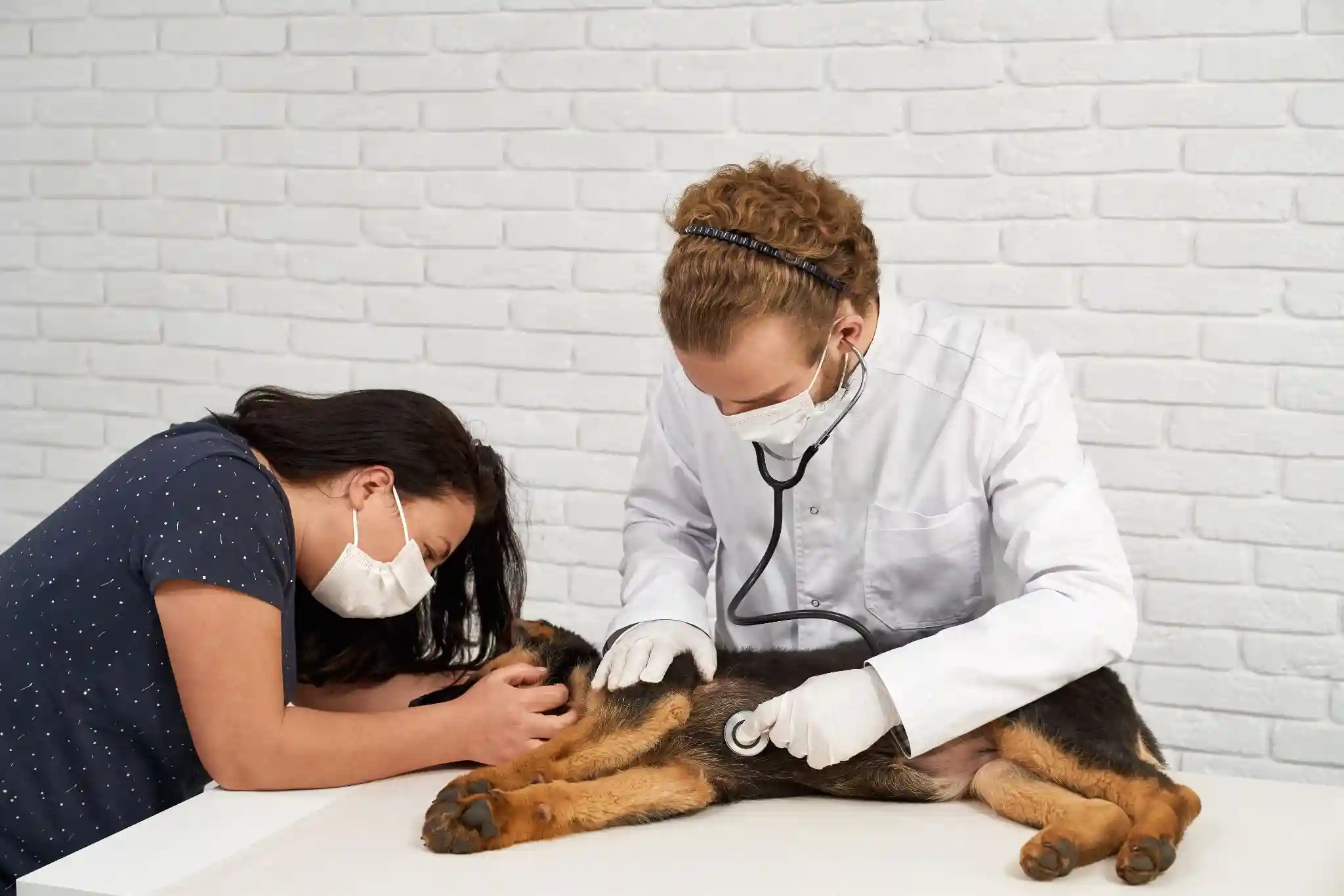
Dogs communicate in many ways, but unlike humans, they can’t verbally express when they’re sick or in pain. This makes it extremely important for dog owners to recognize the symptoms that may indicate a serious health issue. While some mild symptoms can be monitored at home, others require prompt veterinary care to prevent complications, discomfort, or even life-threatening emergencies. Knowing which signs to treat seriously can make all the difference in your dog’s long-term health and wellbeing.
Not every unusual behavior or symptom signals a major illness, but certain warning signs should never be ignored. This guide covers the most common and critical dog health signs that require a visit to the vet, how these symptoms may appear, and why timely medical attention matters. By understanding what to look for, you can protect your dog from unnecessary suffering and ensure they receive proper care when it matters most.
1. Persistent Vomiting or Diarrhea
Occasional stomach upset can happen with dogs, but persistent vomiting or diarrhea is a red flag.
Seek immediate veterinary care if:
-
Vomiting occurs multiple times in one day
-
There is blood in the vomit or stool
-
Your dog becomes lethargic
-
Symptoms last longer than 24 hours
-
Your dog is a puppy, senior, or has existing conditions
These symptoms may indicate poisoning, infections, gastrointestinal blockages, or pancreatitis.
2. Difficulty Breathing or Excessive Panting
Trouble breathing is one of the most urgent signs requiring veterinary attention. Breathing problems can become life-threatening within minutes.
Signs include:
-
Labored breathing
-
Excessive panting not related to heat
-
Wheezing or choking sounds
-
Blue or pale gums
-
Sudden collapse
Causes may include heart disease, allergic reactions, heatstroke, or airway obstruction.
3. Sudden Weakness or Collapse
If your dog collapses or becomes suddenly weak, it is always an emergency.
Possible causes include:
-
Internal bleeding
-
Heart problems
-
Severe infections
-
Hypoglycemia
-
Organ failure
-
Poisoning
Immediate veterinary help is essential to determine the cause and stabilize your dog.
4. Unexplained Weight Loss or Gain
Dramatic weight changes are often signs of underlying medical issues.
Sudden weight loss may indicate:
-
Diabetes
-
Cancer
-
Kidney disease
-
Hyperthyroidism
-
Malabsorption issues
Sudden weight gain may indicate:
-
Cushing’s disease
-
Hypothyroidism
-
Fluid buildup from heart or liver problems
Unexpected weight changes always warrant a vet evaluation.
5. Refusal to Eat or Drink
Dogs may occasionally skip a meal, but repeated refusal to eat or drink is concerning.
Contact a vet if your dog:
-
Refuses food for more than 24 hours
-
Is drinking excessively or not at all
-
Shows signs of dehydration
-
Loses energy quickly
This symptom can indicate infections, dental pain, organ issues, or systemic illness.
6. Changes in Urination
Abnormal urination patterns often reveal kidney or bladder problems.
Warning signs include:
-
Straining to urinate
-
Frequent urination with little output
-
Blood in urine
-
Strong odor
-
Accidents indoors
-
Completely stopping urination
A urinary blockage is a life-threatening emergency that requires immediate help, especially in male dogs.
7. Seizures or Neurological Symptoms
Seizures can be frightening, and even a single episode should be taken seriously.
Neurological warning signs include:
-
Seizures
-
Disorientation
-
Loss of balance
-
Excessive head tilting
-
Walking in circles
-
Sudden personality changes
Causes may include epilepsy, toxins, infections, or brain injuries.
8. Persistent Coughing or Gagging
A cough that doesn’t go away could indicate more than a simple throat irritation.
Possible causes:
-
Heart disease
-
Kennel cough
-
Pneumonia
-
Collapsed trachea
-
Allergies
-
Foreign objects stuck in the throat
A vet can determine the cause through exams and imaging.
9. Swollen Abdomen or Painful Belly
A swollen or hard abdomen is a major warning sign.
Possible causes include:
-
Bloat (gastric torsion)
-
Internal bleeding
-
Organ enlargement
-
Fluid buildup
Bloat is one of the most dangerous emergency conditions in dogs and requires immediate veterinary attention.
10. Lumps, Bumps, or Sudden Skin Changes
Not all lumps are dangerous, but they should always be checked by a vet.
Seek attention if you notice:
-
Rapidly growing lumps
-
Discolored or oozing skin
-
Painful or warm swellings
-
Lumps that change shape
Skin issues may indicate allergies, infection, or even cancer.
11. Extreme Itching, Scratching, or Hair Loss
Itching that doesn’t stop can indicate more serious conditions than just fleas.
Possible causes:
-
Allergies
-
Parasites
-
Hormonal imbalances
-
Skin infections
-
Autoimmune diseases
If your dog scratches constantly or loses patches of fur, a veterinary check is necessary.
12. Eye Problems or Visual Changes
Eye issues worsen quickly if not treated promptly.
Warning signs include:
-
Red eyes
-
Cloudiness
-
Squinting
-
Discharge
-
Sudden blindness
-
Swollen eyelids
Eye injuries and infections can become permanent without medical care.
13. Limping, Stiffness, or Difficulty Moving
If your dog is limping or struggling to move, it may be experiencing pain or injury.
Possible causes:
-
Arthritis
-
Joint injuries
-
Ligament tears
-
Hip dysplasia
-
Back pain
-
Neurological issues
Dogs hide pain well, so mobility issues should never be ignored.
14. Excessive Drooling or Bad Breath
Changes in drooling or breath can indicate health issues beyond the mouth.
Causes include:
-
Dental disease
-
Heatstroke
-
Poisoning
-
Nausea
-
Infections
Bad breath is often a sign of gum disease or tooth decay.
15. Behavioral Changes
Behavior is often one of the first areas where health problems appear.
Concerning changes include:
-
Aggression
-
Unusual fear or anxiety
-
Hiding or avoiding interaction
-
Loss of interest in play
-
Lethargy
Behavioral changes may indicate pain, hormonal shifts, neurological problems, or emotional distress.
16. Bleeding, Bruising, or Signs of Pain
Any unexplained bleeding or bruising should be treated seriously.
Pain signs include:
-
Whimpering
-
Reduced appetite
-
Guarding a body part
-
Trembling
-
Restlessness
Excessive bruising may indicate clotting disorders or toxins.
17. Prolonged Fever
Dogs feel feverish when their ears, head, and belly feel unusually warm.
A fever over 103°F (39.4°C) requires a vet visit, especially if paired with:
-
Lethargy
-
Reduced appetite
-
Shivering
-
Vomiting
A fever often indicates infection or inflammation.
Frequently Asked Questions
1: How do I know if a symptom is serious enough for the vet?
A symptom is serious if it is sudden, persistent, or accompanied by other warning signs such as vomiting, lethargy, breathing issues, pain, collapse, or lack of appetite. When symptoms seem unusual, worsen quickly, or disrupt your dog’s normal behavior, it’s safest to consult a vet. Early intervention prevents complications.
2: Can I wait a day to see if symptoms improve before visiting the vet?
It depends on the symptom. Mild vomiting or temporary digestive upset may resolve within 24 hours, but symptoms like difficulty breathing, inability to urinate, seizures, collapse, fever, persistent diarrhea, or severe pain require immediate veterinary attention. When in doubt, always err on the side of caution.
Final Thoughts
Being able to recognize the warning signs that require a vet visit is one of the most important responsibilities of being a dog owner. Some symptoms may seem small at first, but they can signal deeper health issues that need urgent attention. By paying attention to changes in your dog’s behavior, appetite, mobility, and appearance, you can protect them from unnecessary suffering and ensure they receive the medical support they need.
Your dog depends entirely on your awareness and quick action. Early detection is often the key to successful treatment and long-term wellbeing. Trust your instincts, if something feels off, it likely is. Seeking veterinary help promptly not only safeguards your dog’s health but also strengthens the bond of care, trust, and love you share with your furry companion.