
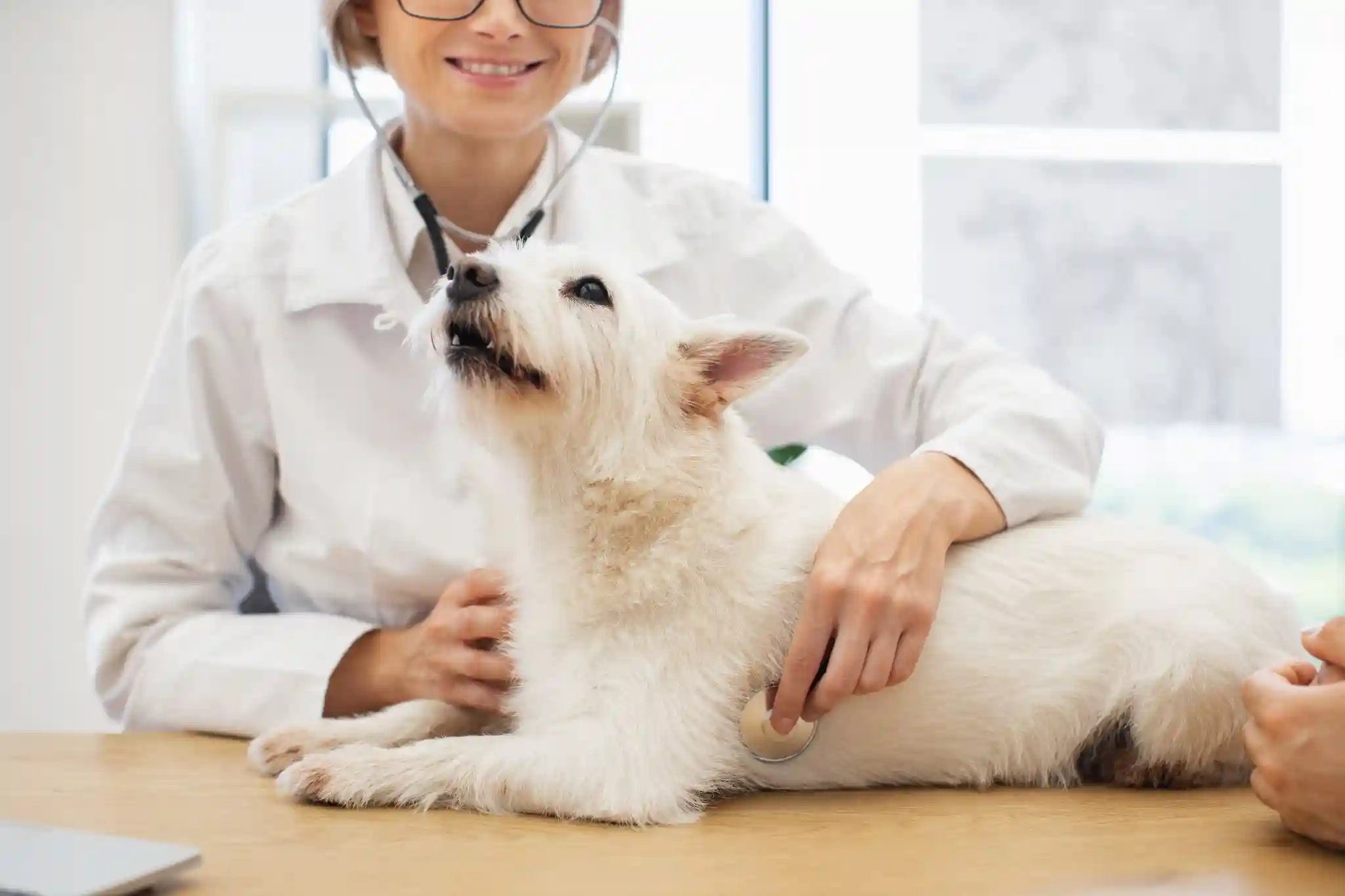
Dogs can’t speak, but they communicate constantly through their behavior, body language, habits, and physical condition. As a pet owner, understanding these signals is essential for keeping your dog healthy and ensuring they receive timely care when something is wrong. Even subtle changes can reveal early signs of illness, changes you might overlook without knowing what to watch for. While dogs often hide discomfort naturally, paying close attention to their daily patterns helps you identify issues early and prevent minor symptoms from becoming serious problems.
This comprehensive guide helps you understand the most important dog health signs and how to recognize changes in your dog’s wellness. Whether you’re a first-time dog owner or have years of experience, being able to read your dog’s signals is one of the most valuable skills you can develop. The goal is simple: keep your dog healthy, comfortable, and thriving.
Why Monitoring Your Dog’s Health Matters
Dogs depend on us entirely for their care, and early detection of health issues can save their lives. A small symptom today may be the beginning of something serious tomorrow. Recognizing health changes early helps you seek veterinary care before conditions worsen.
Benefits of monitoring your dog’s health:
-
Prevents minor illnesses from escalating
-
Helps detect chronic conditions early
-
Reduces emergency vet visits
-
Improves long-term wellness
-
Strengthens your bond with your dog
When you know your dog’s “normal,” you can spot the “not normal” quickly.
Changes in Behavior: One of the First Warning Signs
Behavioral changes often indicate discomfort, stress, pain, or illness. Dogs instinctively try to appear strong, so behavior is often the first clue that something isn’t right.
Concerning behavioral changes include:
-
Increased aggression or irritability
-
Withdrawal or hiding
-
Restlessness or pacing
-
Sudden fearfulness
-
Excessive clinginess
-
Loss of interest in play or activities
These behaviors may indicate anxiety, pain, neurological problems, sickness, or hormonal imbalances.
Changes in Appetite and Eating Habits
A dog’s appetite is one of the clearest indicators of health. Any noticeable change, eating more, eating less, or refusing to eat, should be taken seriously.
Potential causes of appetite changes:
-
Dental issues
-
Digestive problems
-
Infections
-
Hormonal changes
-
Stress or anxiety
-
Food intolerance
Loss of appetite, in particular, can quickly become dangerous, especially in puppies or small breeds.
Weight Gain or Weight Loss
Sudden or gradual changes in weight can signal underlying health concerns.
Sudden weight loss may suggest:
-
Parasites
-
Diabetes
-
Kidney disease
-
Cancer
-
Hyperthyroidism
-
Poor nutrient absorption
Sudden weight gain may indicate:
-
Hypothyroidism
-
Overfeeding
-
Lack of exercise
-
Cushing’s disease
-
Fluid retention
Regular weigh-ins help you track trends and spot concerning changes early.
Changes in Thirst and Urination
An increase in drinking (polydipsia) or urinating (polyuria) is often linked to serious conditions.
Possible causes include:
-
Diabetes
-
Kidney disease
-
Cushing’s disease
-
Urinary tract infections
-
Hormonal imbalance
Conversely, reduced urination may signal dehydration, urinary blockage, or kidney failure. Never ignore noticeable differences in drinking and bathroom habits.
Coat and Skin Condition: A Window Into Internal Health
Healthy dogs usually have shiny coats and smooth skin. Any changes here may signal nutritional deficiencies, allergies, infections, or internal health issues.
Warning signs include:
-
Dry or flaky skin
-
Bald patches
-
Excessive shedding
-
Redness or hot spots
-
Persistent itching
-
Lumps or bumps
Skin issues may indicate allergies, parasites, hormonal disorders, or even cancer.
Digestive Health: Stool and Vomiting Changes
Your dog’s stool reveals a lot about their overall health. Consistency, color, and frequency all matter.
Concerning stool changes:
-
Diarrhea lasting more than 24 hours
-
Blood in stool
-
Hard, dry stool
-
Mucus in stool
-
Persistent constipation
Vomiting occasionally is normal, but repeated vomiting or vomiting paired with other symptoms requires immediate attention.
Changes in Breathing and Energy Levels
Breathing patterns tell you a lot about heart and lung health.
Warning signs include:
-
Labored breathing
-
Persistent coughing
-
Wheezing
-
Panting excessively at rest
-
Fainting or collapsing
Changes in energy levels are also important. A normally energetic dog becoming lethargic, or a calm dog becoming unusually hyper, may indicate illness or discomfort.
Mobility and Joint Health
Dogs of all ages can develop mobility issues, not just seniors. Early detection helps prevent long-term pain.
Signs of mobility issues:
-
Limping
-
Stiffness
-
Difficulty climbing stairs
-
Reluctance to jump
-
Slow to stand up
-
Joint swelling
These symptoms often relate to arthritis, ligament injuries, hip dysplasia, or neurological problems.
Dental Health and Oral Signs
Oral health impacts your dog’s whole body. Dental disease is incredibly common but often overlooked.
Signs of dental issues:
-
Bad breath
-
Drooling
-
Difficulty chewing
-
Pawing at the mouth
-
Red or bleeding gums
-
Broken or loose teeth
Left untreated, dental infections can spread to the heart, kidneys, and liver.
Eye and Ear Changes
Your dog’s eyes and ears should also be checked regularly.
Eye warning signs:
-
Cloudiness
-
Redness
-
Discharge
-
Squinting or rubbing
-
Sudden blindness
Ear warning signs:
-
Strong odor
-
Head shaking
-
Brown or yellow discharge
-
Scratching
-
Sensitivity or swelling
Eye and ear issues are often uncomfortable and worsen quickly if not treated.
Emotional Wellness and Stress Levels
Dogs experience stress just like humans. Chronic stress can weaken their immune system and contribute to behavioral issues.
Signs of emotional stress:
-
Excessive licking or chewing
-
Separation anxiety
-
Destructive behavior
-
Sudden accidents indoors
-
Changes in sleep patterns
Understanding emotional wellness is key to maintaining overall health.
Tracking Your Dog’s Normal Patterns
No two dogs are alike. Knowing your dog’s personal baseline helps you spot changes early.
Track your dog’s:
-
Eating habits
-
Water intake
-
Bathroom schedule
-
Energy levels
-
Sleep patterns
-
Personality and behavior
-
Weight and body condition
Keeping notes (even in your phone) makes it easier to identify subtle changes.
When to Monitor at Home vs. When to Visit the Vet
Not every symptom requires an emergency visit, but many signs do require professional evaluation.
Safe to monitor at home if:
-
Symptoms are mild
-
Your dog is eating and drinking normally
-
Symptoms improve within 24 hours
Requires veterinary care if:
-
Symptoms worsen
-
Your dog refuses food or water for over 24 hours
-
Breathing is affected
-
Vomiting or diarrhea is severe
-
Your dog is in pain
-
You see blood in stool or urine
-
Your dog becomes weak or disoriented
Trust your instincts, if your dog seems “off,” it’s worth getting advice.
Frequently Asked Questions
1: How often should I check my dog for health changes?
You should observe your dog’s behavior and physical condition daily. Simple checks, like noticing their appetite, energy level, gait, and bathroom habits, can alert you to early signs of illness. Monthly, perform a more thorough check including weight, coat condition, skin health, and oral health. Regular vet checkups once or twice a year ensure problems are caught early.
2: What signs mean I should take my dog to the vet immediately?
Immediate veterinary attention is needed if your dog shows signs such as difficulty breathing, collapsing, seizures, continuous vomiting, inability to urinate, blood in stool, severe pain, unresponsiveness, or rapid swelling. These symptoms often indicate serious conditions requiring urgent treatment. When in doubt, treat it as an emergency.
3: How can I track changes in my dog’s health over time?
Tracking your dog’s health is easy with a simple notebook or digital app. Record daily routines such as food intake, water consumption, stool quality, activity level, and behavior. Also track weight monthly and note any new symptoms, lumps, or behavioral changes. Keeping records helps your vet diagnose problems more accurately and quickly.
Final Thoughts
Understanding dog health signs is one of the most important responsibilities of a pet owner. Dogs rely on us to notice when something is wrong, and subtle changes in behavior, appetite, movement, or appearance often reveal health issues before they become serious. When you know how to identify these early warning signs, you become more effective at protecting your dog’s wellbeing and ensuring they receive the care they need.
Healthy dogs are happy dogs, and a healthy dog brings peace of mind, companionship, and joy to your life. By staying observant, seeking veterinary guidance when needed, and prioritizing your dog’s wellness every day, you build a foundation for a long, vibrant, and fulfilling life together. Small acts of attention make a big difference, and your awareness can truly transform your dog’s quality of life.