
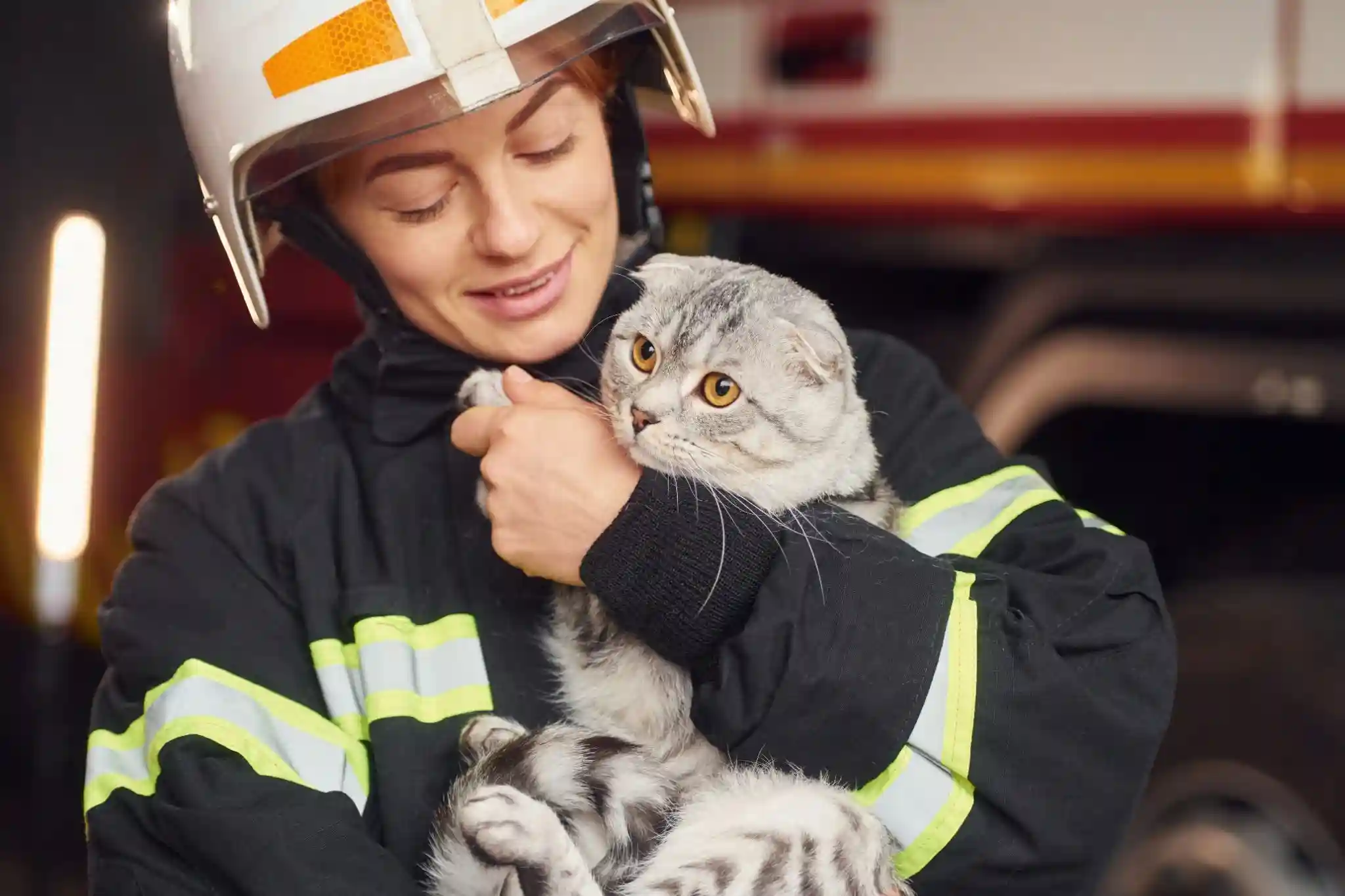
Animal rescue is one of the most meaningful and compassionate acts anyone can take. Whether you’re helping an injured animal on the street, guiding a lost pet to safety, or responding to an urgent distress situation, the actions you take in those moments can save lives. But knowing how to help is just as important as wanting to help. Without the right knowledge, good intentions can sometimes lead to mistakes or even put both the rescuer and the animal in danger.
Animal rescue doesn’t belong only to animal organizations, it belongs to everyone. Every day, regular people make life-changing differences for stray pets, lost animals, wildlife, and abused pets. But safe and effective rescue requires calm thinking, proper techniques, and awareness of what to do (and what not to do). This guide breaks down essential animal rescue tips that anyone can use today, whether you’re a pet owner, everyday citizen, animal lover, or someone new to rescue work.
If you’ve ever wondered how to help animals safely and responsibly, these essential tips will guide you through the process so that your actions can genuinely make a difference.
Always Put Safety First—For You and the Animal
Animal rescue can involve unpredictable situations. Injured, scared, or distressed animals may behave defensively, even if they need help. Before approaching any animal, take time to assess the environment.
Ask yourself:
-
Is the animal in immediate danger?
-
Are cars or hazards nearby?
-
Is the animal aggressive, injured, or frightened?
-
Do I have a safe way to approach?
Your safety matters. An injured animal that feels cornered may bite out of fear. If the situation seems too dangerous, call professionals rather than putting yourself at risk.
Approach Animals Slowly and Calmly
If you choose to approach an animal, move slowly and avoid making loud noises or sudden movements. Animals read body language more than words. Your behavior communicates whether you are safe.
Tips for safe approach:
-
Keep your body low rather than towering over the animal
-
Speak gently and softly
-
Extend a hand slowly but do not force contact
-
Avoid direct eye contact (some animals see this as a threat)
A calm approach helps reduce stress and allows the animal to trust you enough to be helped.
Use Proper Restraint and Handling Techniques
Different types of animals require different handling approaches. The wrong technique can cause injury to the animal, or to you.
For dogs:
-
Use a slip leash if possible
-
Avoid grabbing the collar if the dog is panicked
-
Let them sniff you if they choose to
For cats:
-
Use a towel or blanket to gently wrap them
-
Avoid trying to hold them with bare hands if they are scratching or hissing
For wildlife:
-
Never attempt to pick up adult wild animals
-
Contact wildlife rescue professionals immediately
Safe handling prevents harm and increases the chance of a successful rescue.
Check for Identification (ID Tags or Microchips)
After securing the animal safely, check for any form of identification.
This may include:
-
Collar with ID tag
-
Phone number on harness
-
Rabies tag with veterinarian contact
-
Microchip (checked at vet clinics or shelters)
A quick check could reunite the animal with their family in minutes, avoiding further stress or rescue procedures.
Learn to Identify Urgent Medical Emergencies
Some situations require immediate veterinary attention. If you recognize certain signs early, you can significantly improve the animal’s chance of survival.
Emergency signs include:
-
Heavy bleeding
-
Difficulty breathing
-
Collapse or inability to stand
-
Visible fractures
-
Seizures
-
Extreme weakness
-
Continuous vomiting
-
Distended abdomen
-
High fever
-
Hit-by-car trauma
If you see any of these signs, contact a veterinarian or emergency animal hospital immediately.
Know What NOT to Do During a Rescue
Sometimes the fastest way to help is by avoiding actions that make things worse.
Avoid:
-
Giving food or water to an injured animal
-
Chasing the animal
-
Holding tightly around the neck
-
Giving human medications
-
Handling animals if you’re unsure
-
Trying to free trapped wildlife without proper training
Understanding your limits is key to being a responsible rescuer.
Create a Simple Animal Rescue Kit at Home or in Your Car
You don’t have to be a professional to keep rescue supplies nearby. A small kit can make rescue safer and easier.
Helpful items include:
-
Slip leash
-
Towels or blankets
-
Gloves
-
Small pet carrier
-
Bottled water (for cleaning wounds, not drinking)
-
First aid supplies
-
Flashlight
-
Non-slip gloves
-
Treats for calming dogs
Being prepared increases the odds of a successful rescue.
Transport Injured Animals Safely
Transporting an animal is often the most challenging step. Injured animals can panic easily, and improper transport may worsen injuries.
Safe transport tips:
-
Use a carrier whenever possible
-
For dogs, secure them with a leash and backseat barrier
-
For cats, always use a closed carrier
-
Avoid placing injured animals in the front seat (airbags can injure them)
-
Keep the car calm and quiet
Taking the time to transport safely protects both you and the animal.
Know When to Call Professionals
Not all rescues can or should be handled alone. In some cases, calling animal control, a rescue group, or a wildlife specialist is the safest choice.
Call for help if:
-
The animal is aggressive
-
The animal is trapped
-
The animal is injured severely
-
The animal is wild
-
You cannot transport safely
-
The animal is in a dangerous location (highways, water, rooftops)
Professionals have proper training and equipment to handle high-risk rescues.
Learn Basic Animal First Aid
Knowing basic first aid can save lives before a veterinarian arrives.
Important skills include:
-
Wound cleaning
-
Bandage wrapping
-
CPR for pets
-
Handling fractures
-
Recognizing shock
-
Controlling bleeding
You can learn these skills through online courses or local animal organizations.
Understand the Emotional State of Rescued Animals
Rescued animals may be scared, confused, or in pain. Understanding how they feel helps you provide better support.
They may:
-
Shake or tremble
-
Hide
-
Growl or bark
-
Avoid eye contact
-
Pace or whine
Recognize that this behavior is a reaction to fear, not aggression. Patience and gentle reassurance can help them feel safe.
Provide Temporary Care if Needed
Sometimes an animal may need temporary shelter until you can reach a vet or rescue organization.
Temporary care may involve:
-
A quiet room
-
Food and water (if not injured)
-
Soft bedding
-
Minimal noise and stimulation
Short-term care helps stabilize the animal until proper medical treatment is available.
Document the Situation for Rescue Teams
Taking clear notes or photos helps professionals understand the animal’s condition, location, and what happened.
Your documentation may include:
-
Photos of injuries
-
Location details
-
Time you found the animal
-
Behavior observations
-
Any known witnesses
Accurate information helps rescuers give the best care.
Build a Relationship with Local Shelters and Rescue Groups
If you want to be more involved in animal welfare, forming relationships with local rescue organizations provides resources, training, and guidance.
Benefits include:
-
Learning rescue protocols
-
Access to rescue equipment
-
Faster response times
-
Opportunities to volunteer
-
Gaining experience with different animals
Rescues rely on community support, and your involvement can save many animals over time.
Adopt Rescue Mindset: Patience, Compassion, Calmness
Animal rescue often involves unpredictable situations. The most important qualities you can bring are patience, compassion, and calmness. Animals respond to your energy. If you’re calm, they’re more likely to feel safe and cooperative.
Practice:
-
Deep breathing
-
Speaking softly
-
Avoiding frustration
-
Remaining patient even when progress is slow
Your empathetic approach can transform a frightening experience into a safe rescue.
Frequently Asked Questions
1: What should I do if the animal runs away when I try to help?
If a scared animal runs away, do not chase them, this increases fear and pushes them further away. Instead, stay calm and observe where they go. Leave food nearby, create a safe space, and contact a local rescue group or animal control for support. Professionals can help set humane traps or use calming techniques to secure the animal safely.
2: Can I rescue wildlife the same way I rescue pets?
No. Wildlife requires different handling and expertise. Many wild animals carry diseases, react unpredictably, or have unique biological needs. It is safer and more ethical to contact licensed wildlife rehabilitators or animal control professionals. The best thing you can do for wildlife is secure the area, observe from a distance, and call experts who are trained for wildlife situations.
Final Thoughts
Animal rescue is an act of kindness that truly saves lives. Whether you help one animal or many, the impact is profound. By understanding how to approach safely, how to evaluate injuries, how to transport animals properly, and when to call professionals, you become an essential part of the rescue process. Every rescued animal represents hope, compassion, and the power of human empathy.
Remember that you don’t need to be a professional rescuer to make a difference. With education, awareness, and a willingness to act responsibly, you can help animals in need and prevent suffering. The more prepared you are, the more confident you’ll feel stepping up when an animal needs your help. Your actions today could be the reason an animal survives tomorrow.