
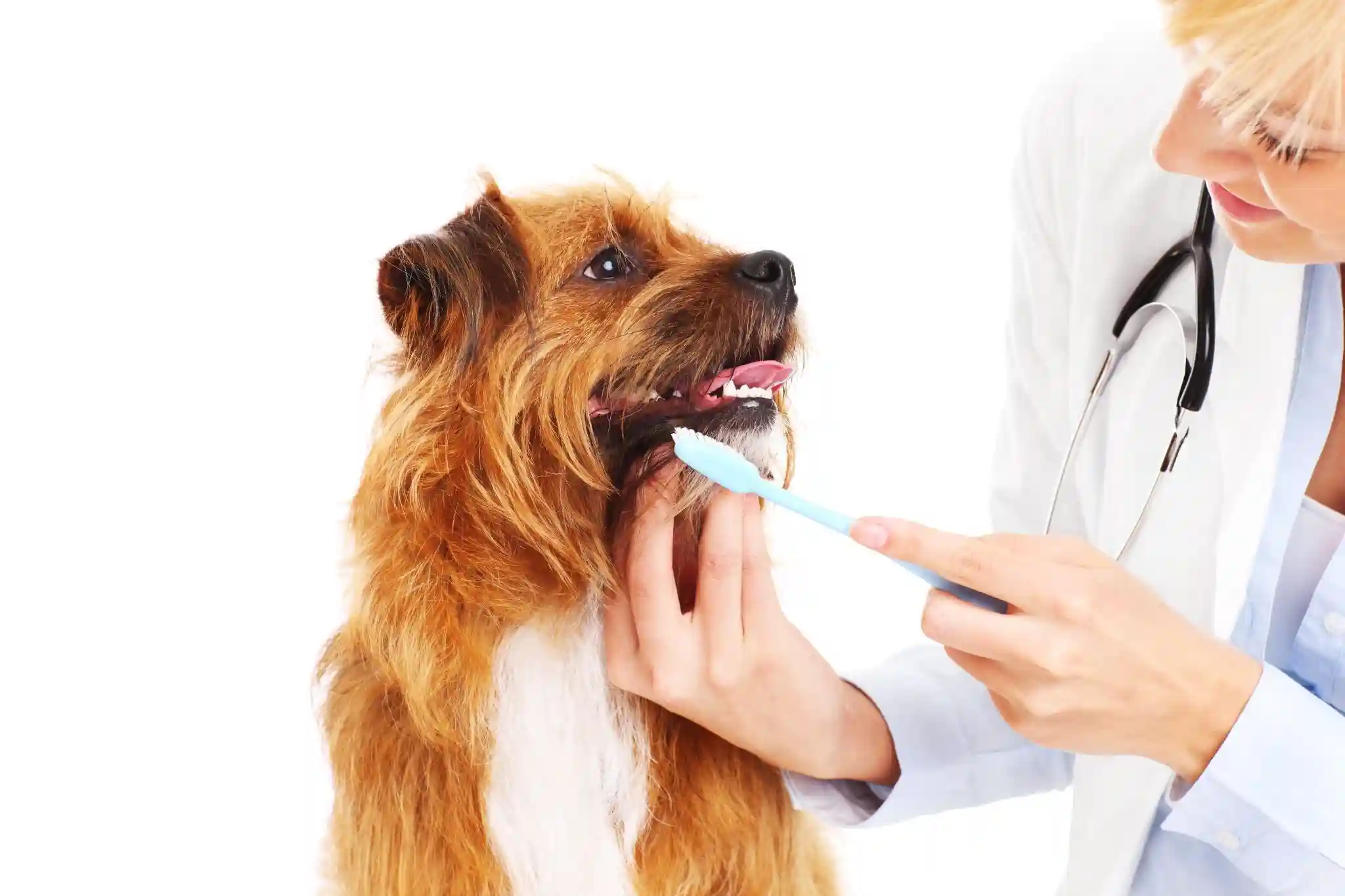
Dental hygiene is one of the most overlooked but essential aspects of pet care. Many pet owners focus heavily on vaccinations, grooming, diet, and exercise, yet forget that oral health plays a major role in a pet’s lifelong wellbeing. Poor dental hygiene can lead not only to bad breath or tooth loss, but also to serious infections, pain, behavioral changes, and even organ damage. Pets cannot tell us when their mouth hurts, so it becomes the owner’s responsibility to stay proactive and attentive.
Veterinarians frequently emphasize that dental disease is one of the most common preventable health conditions in pets. Most pets show signs of dental problems by age three, yet many cases go unchecked because owners don’t know what to look for or misunderstand the importance of consistent dental care. This blog provides a comprehensive guide to maintaining excellent dental hygiene through veterinary care, at-home habits, preventive techniques, and long-term strategies.
Your pet’s oral health is directly connected to their quality of life. When their mouth is healthy, they eat better, feel more energetic, and experience less discomfort. Understanding how dental health works, and how to care for it, empowers you to give your pet the long, comfortable life they deserve.
Why Pet Dental Hygiene Matters More Than You Think
Dental hygiene is not just about clean teeth or nice breath. Poor oral health can lead to:
-
Chronic pain
-
Tooth loss
-
Gum infection
-
Jawbone deterioration
-
Bacterial spread to the heart, liver, and kidneys
-
Difficulty eating
-
Behavioral changes like aggression or withdrawal
Bacteria from the mouth can travel through the bloodstream and damage internal organs, making dental care a critical part of veterinary wellness. Healthy teeth mean a healthier, happier pet overall.
Recognize the Early Signs of Dental Disease
Understanding the warning signs helps you intervene early. Many symptoms start small and become worse if ignored.
Early signs include:
-
Bad breath
-
Yellow or brown tartar buildup
-
Red or swollen gums
-
Discomfort when chewing
-
Pawing at the mouth
-
Drooling
-
Bleeding gums
-
Wincing or pulling away when touched
More advanced symptoms include loose teeth, weight loss from eating difficulty, or visible pain. Anytime you notice these signs, it’s time for a veterinary dental evaluation.
Schedule Regular Veterinary Dental Exams
Regular dental exams are essential for proactive oral health. Even if your pet looks fine, hidden issues may be developing beneath the gums.
Recommended schedule:
-
Once yearly for healthy adult pets
-
Every 6 months for senior pets
-
More frequently for pets with existing dental disease
During dental exams, vets check your pet’s gums, teeth, tongue, jaw alignment, and plaque levels. Catching problems early prevents pain and minimizes the need for costly treatments.
Professional Dental Cleanings Under Anesthesia
Veterinary cleanings under anesthesia are the gold standard for dental care. Many pet owners worry about anesthesia, but the benefits significantly outweigh the risks—especially when performed by a qualified veterinarian.
Why anesthesia is important:
-
Pets cannot stay still long enough for thorough cleaning
-
Allows vets to examine under the gumline
-
Ensures removal of tartar that brushing cannot reach
-
Prevents stress or sudden movements
-
Enables X-rays for hidden problems
Anesthesia-free cleanings are considered cosmetic only and do not treat actual dental disease.
Understand What Happens During a Veterinary Dental Cleaning
A professional dental cleaning includes multiple steps to ensure complete oral care.
During the procedure, veterinarians:
-
Perform dental X-rays
-
Assess gum pocket depth
-
Remove plaque and tartar
-
Polish the teeth
-
Flush out bacteria
-
Extract loose or infected teeth if necessary
These cleanings provide a level of care that at-home brushing alone cannot achieve.
Start Brushing Your Pet’s Teeth at Home
Brushing is the most powerful tool to prevent dental disease. Even a few seconds of brushing a day leads to better outcomes than no brushing at all.
Tips for successful brushing:
-
Use pet-safe toothbrushes
-
Start slowly and reward with treats
-
Use flavored pet toothpaste (never human toothpaste)
-
Brush gently in small circles
-
Aim for daily brushing, but a few times a week still helps
If your pet resists, be patient. With time, they will associate brushing with positive experiences.
Use Dental Chews, Treats, and Toys
Dental products can supplement brushing and professional care.
Helpful items include:
-
Dental chews
-
Enzymatic treats
-
Rubber chew toys
-
Textured bones designed for cleaning
-
Dental sticks
However, not all products are safe. Avoid hard items like antlers or cooked bones that can fracture teeth. Look for products approved by veterinary dental associations.
Incorporate Dental-Friendly Diets
Some specialized diets help reduce plaque and tartar buildup. These foods use specific kibble shapes or chemicals to remove debris during chewing.
Dental diets may:
-
Scrub teeth as pets chew
-
Contain enzymes to reduce bacteria
-
Promote healthier gums
-
Help pets with chronic dental issues
Ask your veterinarian whether a dental diet is appropriate for your pet.
Monitor Chewing Behavior and Mouth Pain
Pets often hide discomfort, so changes in chewing habits are important clues.
Watch for:
-
Chewing on one side of the mouth
-
Dropping food
-
Slower eating
-
Avoiding crunchy items
-
Preferring soft food suddenly
Pain is a major indicator of dental problems that require veterinary attention.
Water Additives and Oral Rinses for Extra Support
Oral rinses and water additives can help reduce bacteria in the mouth. These are especially useful for pets who resist brushing.
Benefits include:
-
Fresher breath
-
Reduced plaque levels
-
Anti-bacterial effects
-
Simple daily use
These tools should be used alongside brushing, not as replacements.
Avoid Harmful Chewing Items
Some common items marketed as dog chews can actually harm teeth.
Avoid:
-
Hard plastic bones
-
Real bones
-
Antlers
-
Hooves
-
Ice cubes
-
Sticks
Hard items can fracture teeth or cause gum injuries. Choose vet-approved alternatives instead.
Pay Attention to Gum Health
Healthy gums are pink, firm, and do not bleed easily. Gum disease (gingivitis) is one of the most common dental issues in pets.
Gum disease symptoms:
-
Dark red gums
-
Tenderness
-
Bleeding
-
Receding gumline
-
Swelling
Left untreated, it leads to periodontal disease, which causes tooth loss and pain.
Consider Dental Supplements
Dental supplements come in various forms: powders, chews, sprays, and gels. They help reduce bacterial growth and freshen breath.
These supplements are not replacements for brushing but work well as part of a full dental routine.
Senior Pets Need Extra Dental Monitoring
Older pets are more prone to dental problems due to age, weakened immunity, and years of wear on their teeth.
Senior dental care tips:
-
More frequent dental exams
-
Softer foods if needed
-
Pain monitoring
-
X-rays to check hidden decay
-
Gentle brushing
Taking a proactive approach helps prevent serious dental complications in senior pets.
Frequently Asked Questions
1: How often should my pet get a professional dental cleaning?
Most pets benefit from a professional cleaning once a year. However, pets with chronic dental disease, small breeds, older animals, or pets prone to tartar buildup may need cleanings every 6–9 months. Your veterinarian can recommend a schedule based on your pet’s age, breed, and oral health condition.
2: Is brushing my pet’s teeth really necessary if they get dental treats?
Yes. Dental treats and chews are helpful but cannot fully clean the teeth or remove plaque below the gumline. Brushing is the most effective prevention method and should be done regularly even if your pet uses dental chews. A combination of brushing, treats, and veterinary cleanings offers the strongest protection.
Final Thoughts
Dental hygiene is one of the most powerful ways to protect your pet’s overall health. When you invest time in brushing, schedule regular vet checkups, and provide proper dental products, you dramatically reduce your pet’s risk of pain, infection, and long-term health problems. Good dental care improves appetite, behavior, energy levels, and quality of life.
Remember that dental health isn’t a one-time treatment, it’s a lifelong routine. By combining professional veterinary care with daily habits at home, you create a strong foundation for oral wellness. Your pet depends on you to notice early signs and make choices that keep their mouth healthy. With love, patience, and consistency, pet dental hygiene becomes a rewarding part of caring for your furry family member.