
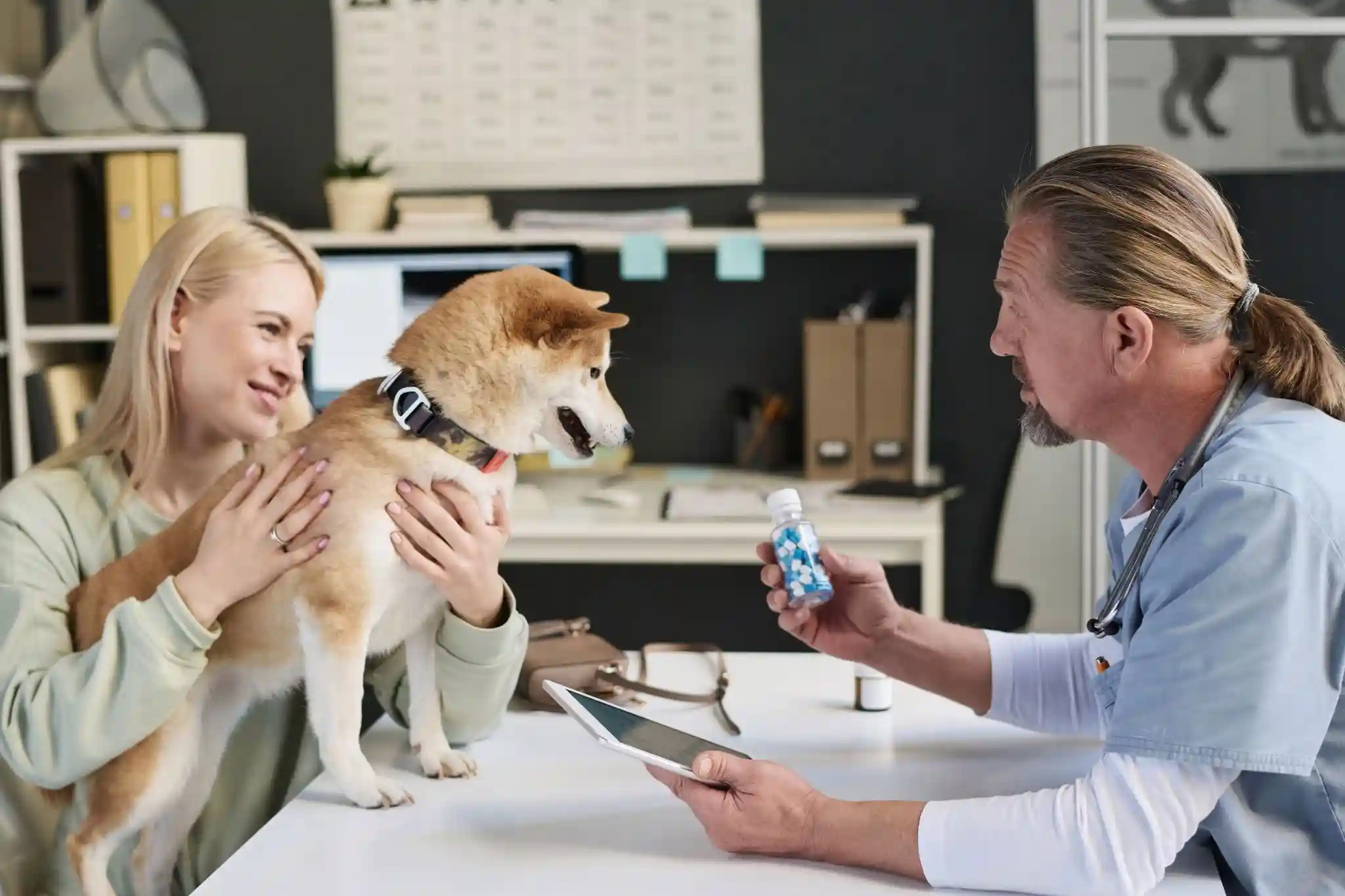
The world of veterinary care is constantly evolving, and staying informed about changes at your veterinary clinic is an essential part of being a responsible pet owner. Whether it’s updates on vaccination requirements, new clinic policies, seasonal health alerts, or advancements in veterinary technology, knowing how to navigate these changes helps you make better decisions for your pet’s long-term health. Many pet owners don’t realize how often clinics update their procedures or how these adjustments can directly impact appointments, treatments, and preventive care.
In today’s fast-paced environment, veterinary clinics adapt frequently to improve patient care, follow regulations, and keep up with medical advancements. Everything, from new medical equipment to updated standard practices, can influence your pet’s experience. Understanding how to interpret these updates allows you to stay proactive rather than reactive. This guide breaks down what veterinary clinic updates mean, why they matter, and how pet owners can stay organized, confident, and fully prepared.
Why Veterinary Clinic Updates Matter
Veterinary clinic updates are more than simple announcements. They often reflect broader trends in animal health, changes in community diseases, improvements in medical knowledge, and evolving safety standards. Staying informed empowers you as a pet owner and ensures your pet continues to receive the best possible care.
Updates matter because they can include:
-
Changes in vaccination requirements
-
New appointment procedures
-
Updated clinic hours or emergency coverage
-
Seasonal reminders about parasites or weather-related risks
-
Information about new technologies or diagnostic tools
-
Staff additions or changes
-
Policy changes regarding payment, insurance, or prescriptions
Paying attention to these updates can help you avoid misunderstandings, delays, or missed health opportunities.
Common Types of Veterinary Clinic Updates Pet Owners See
Not all updates are created equal, and knowing the different types helps you understand which ones require immediate attention.
1. Medical and Preventive Care Updates
These include vaccination reminders, new treatment protocols, new diagnostic testing options, and updated recommendations based on veterinary research.
2. Policy and Administrative Changes
Examples include changes to appointment scheduling, telemedicine availability, refill procedures, or payment policies.
3. Seasonal Health Alerts
Veterinary clinics often send updates about tick season, heatstroke risks, holiday hazards, or local disease outbreaks.
4. New Services or Technology Announcements
Clinics may introduce laser therapy, dental imaging, improved surgical equipment, or specialized staff such as dermatologists or behaviorists.
5. Operational Changes
These include new office hours, emergency closures, construction updates, or new safety rules.
Understanding which category an update falls into helps you determine its urgency.
How to Stay Informed About Veterinary Clinic Updates
Veterinary clinics use multiple communication channels to keep clients informed. Pet owners who make a habit of checking these sources rarely miss important information.
Ways to stay connected:
-
Email newsletters
-
Text message alerts
-
Clinic social media pages
-
Website announcements
-
Printed flyers at the clinic
-
Mobile app notifications
-
Phone reminders
Set aside a moment each month to review communications from your veterinary clinic so you don’t overlook anything important.
Understand the Language Used in Veterinary Updates
Many pet owners feel unsure how to interpret the terminology used in clinic updates. Some messages may sound complicated, while others feel vague. Learning the meaning behind common veterinary terms helps you navigate updates with more confidence.
Examples of common terms:
-
Preventive care: Routine health measures such as vaccines and checkups
-
Wellness exam: Annual or semi-annual general health evaluation
-
Serology testing: Blood tests for disease detection
-
Titer testing: Measuring immunity levels to determine need for vaccines
-
Telemedicine: Virtual veterinary consultations
-
Parasite prevention: Monthly treatments for fleas, ticks, and worms
If you ever feel unclear about terminology, don’t hesitate to contact the clinic for clarification.
How to Respond When Your Clinic Announces New Policies
New clinic policies are common, and understanding how to respond keeps you from feeling overwhelmed. Policies may change due to medical standards, staffing adjustments, or health regulations.
When you receive a new policy update:
-
Read it carefully
-
Ask questions if anything is unclear
-
Check how it affects future appointments
-
Update your calendar or notes app
-
Discuss changes with family members involved in pet care
Being proactive helps avoid surprises when you arrive at the clinic.
Handling Appointment-Related Updates
Appointment procedures evolve to improve efficiency and support patient care. Clinics may adjust check-in protocols, waiting room policies, or telehealth options.
Common appointment updates include:
-
Curbside drop-off procedures
-
Online appointment scheduling
-
Required pre-visit forms
-
New health screening processes
-
Appointment rescheduling guidelines
Keeping up with these changes reduces confusion and ensures a smoother visit for your pet.
Staying Prepared for Seasonal Veterinary Updates
Seasonal veterinary updates are some of the most important communications because they relate to your pet’s immediate health needs. Weather and environmental changes affect parasites, allergies, and disease risks.
Examples:
-
Spring: Flea and tick prevention reminders
-
Summer: Heatstroke warnings and hydration tips
-
Fall: Allergies, mushrooms, and holiday foods to avoid
-
Winter: Footpad protection, antifreeze dangers, and cold-weather safety
Stay attentive to seasonal alerts to prevent avoidable emergencies.
Understanding Updates About Disease Outbreaks
If your clinic reports a rise in local diseases, such as parvovirus, leptospirosis, kennel cough, or canine influenza, it’s essential to take these updates seriously.
What to do:
-
Ensure vaccinations are current
-
Limit exposure to unfamiliar animals
-
Avoid dog parks until the outbreak declines
-
Follow clinic advice for disinfection or prevention
Timely responses to disease alerts protect your pet and the entire community.
Navigating Technology and Service Updates
Modern veterinary clinics adopt new technologies to improve diagnostics, treatments, and comfort. These updates often reveal exciting upgrades that benefit your pet.
Examples include:
-
Advanced dental imaging
-
In-house lab improvements
-
Laser therapy for pain management
-
Laparoscopic surgery
-
Behavioral therapy programs
-
Nutritional counseling services
Understanding these services helps you take advantage of resources available to improve your pet’s wellbeing.
Handling Emergency Clinic Updates
Emergency updates occur when a clinic changes its emergency hours, partners with an urgent care facility, or temporarily closes due to unforeseen events.
When you receive these updates:
-
Save backup emergency clinic numbers
-
Know the closest 24-hour animal hospital
-
Keep a printed list of emergency contacts at home
Preparing ahead ensures you’re never caught off guard during urgent situations.
How to Organize Veterinary Updates for Easy Reference
Many pet owners struggle with remembering every update. Keeping organized records helps you stay on top of your pet’s health.
Helpful organization tools:
-
A dedicated folder in your email for clinic messages
-
A physical notebook for vet notes
-
A digital pet-care app to track reminders
-
A shared family calendar for appointments
-
Screenshots of important announcements
Having information readily available prevents confusion and keeps you fully prepared.
Communicating Effectively With Your Veterinary Clinic
Staying in communication with your veterinarian ensures you understand updates clearly.
Communication tips:
-
Call when uncertain
-
Ask follow-up questions
-
Request written instructions if needed
-
Share any concerns or barriers (budget, transportation, schedule)
-
Be honest about your pet’s health changes
Good communication builds a strong relationship between you and your veterinary care team.
Adapting to Long-Term Clinic Changes
Some updates require long-term adjustment, such as changes in clinic hours or appointment procedures.
How to adapt:
-
Shift your pet’s routine around new hours
-
Plan appointments earlier to avoid rushes
-
Update reminders based on new scheduling windows
-
Keep track of renewal dates for prescriptions or vaccinations
Long-term adaptability makes veterinary care easier and less stressful.
Frequently Asked Questions
1: Why do veterinary clinics update their policies so often?
Veterinary clinics update policies to adapt to evolving medical standards, improve patient care, manage staffing changes, meet legal requirements, and introduce new services. These regular updates help clinics stay efficient and ensure pets receive safe, up-to-date care.
2: How can I avoid missing important updates from my vet clinic?
The best way is to subscribe to all official communication channels, email, text alerts, social media, and newsletters. Check your spam folder occasionally, and save the clinic’s contact info in your phone. Using a pet-care app or calendar reminders also helps you stay organized.
Final Thoughts
Veterinary clinic updates are essential tools that help pet owners stay informed, prepared, and connected to the evolving world of animal health. Whether it’s a new health protocol, seasonal alert, or technological advancement, these updates ensure your pet receives the best and most current care possible. By learning how to interpret clinic updates, staying engaged with communication channels, and asking questions whenever something is unclear, you set your pet up for a healthier, safer, and more supported life.
Navigating veterinary updates may seem overwhelming at first, but with consistency, organization, and communication, they become a natural part of caring for your pet. Your attentiveness not only strengthens your partnership with your veterinary clinic but also plays a crucial role in your pet’s long-term wellbeing. Staying informed is one of the most powerful actions you can take as a pet owner.